Issues in Focus
Environmental challenges, clearly located
Each issue page follows one path: the challenge, where it occurs, what Rhino Ark is doing, measurable links, and how to donate, volunteer or partner. Non-core national topics are labelled as Kenya context.
Mission pillars
Forests & Ecosystem Restoration
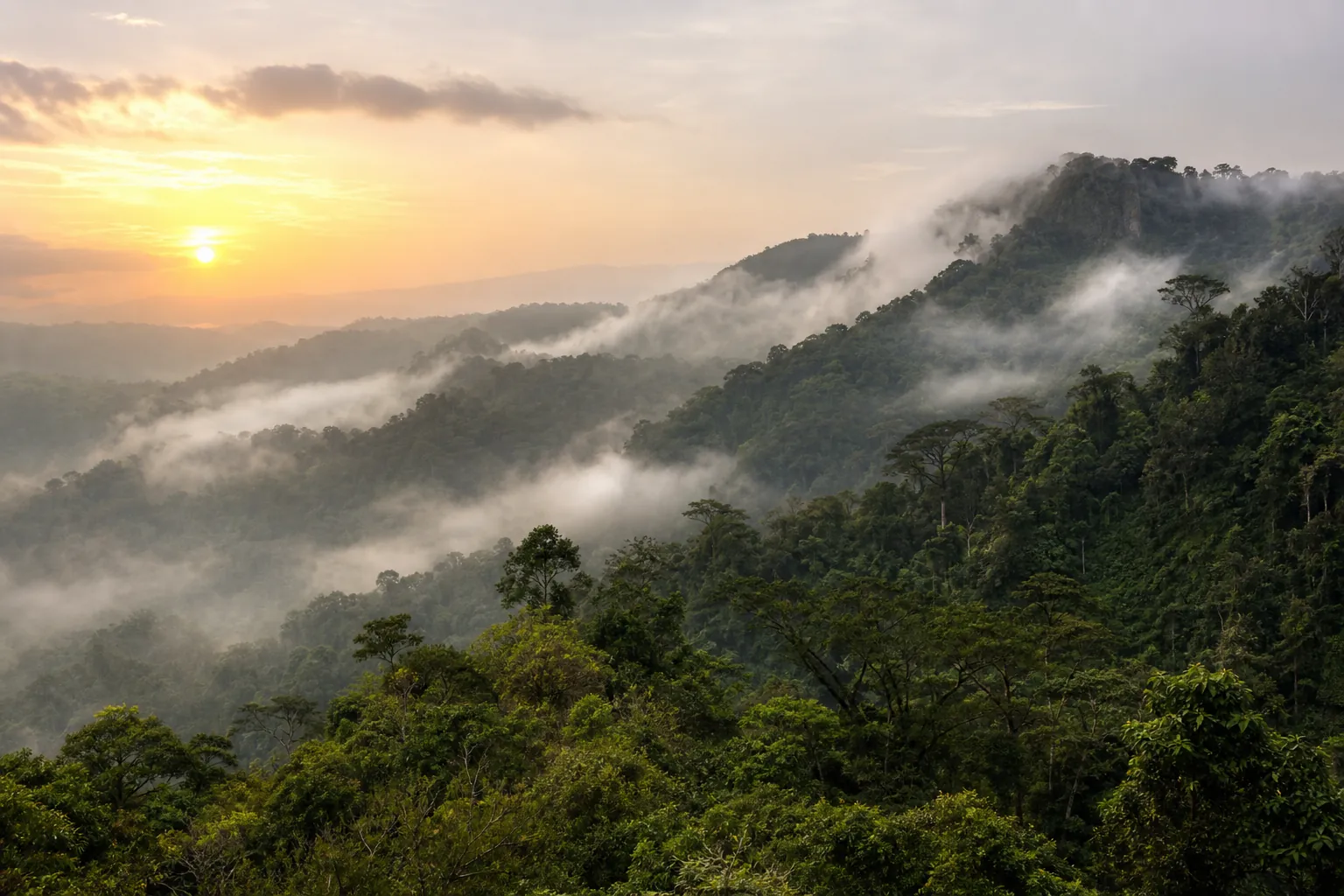
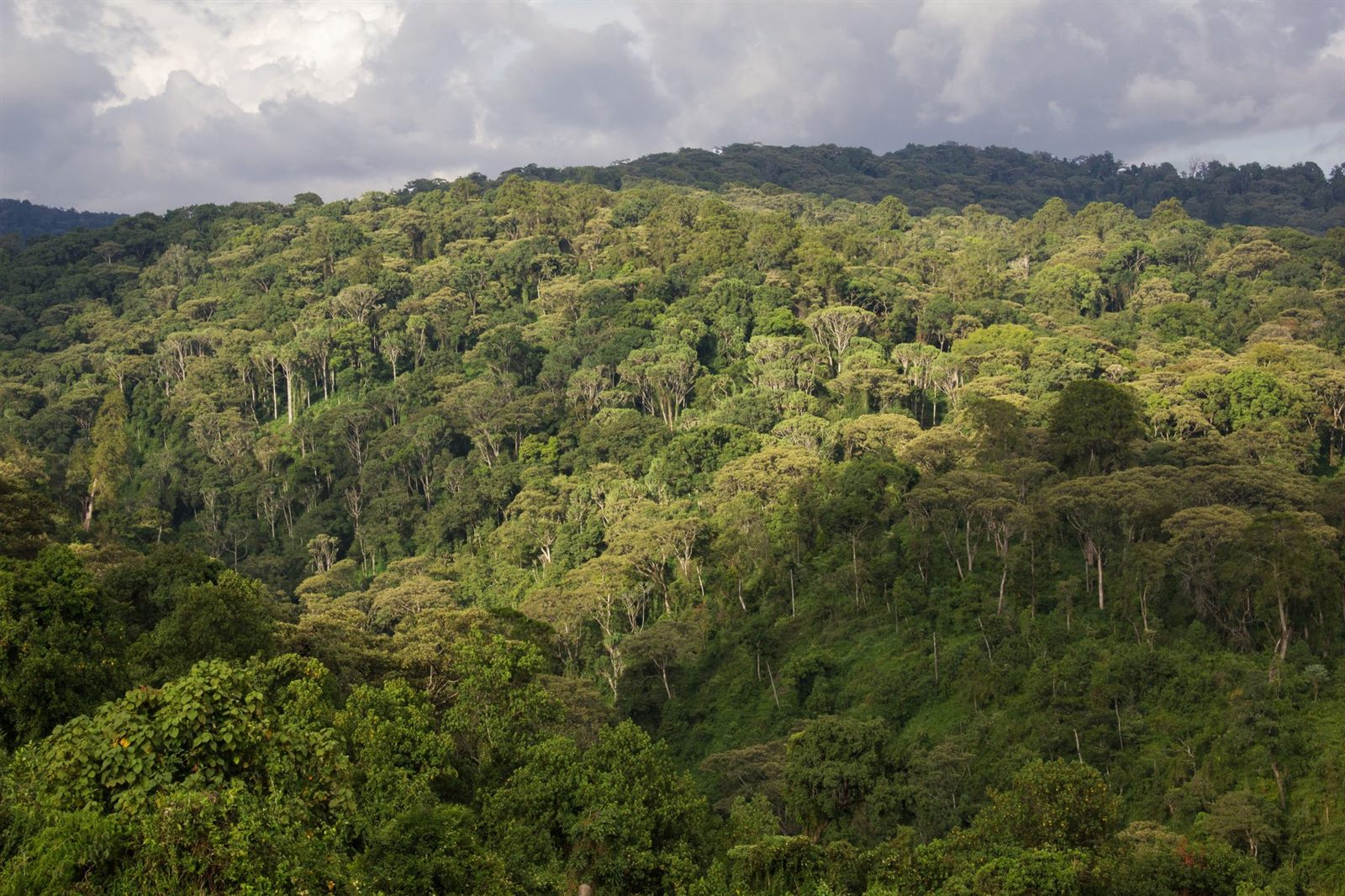
Kenya retains little closed-canopy forest. Mountain forests that feed rivers and farms face logging, charcoal burning, encroachment and fire.
Stories on this pillar →Water & Catchment Conservation
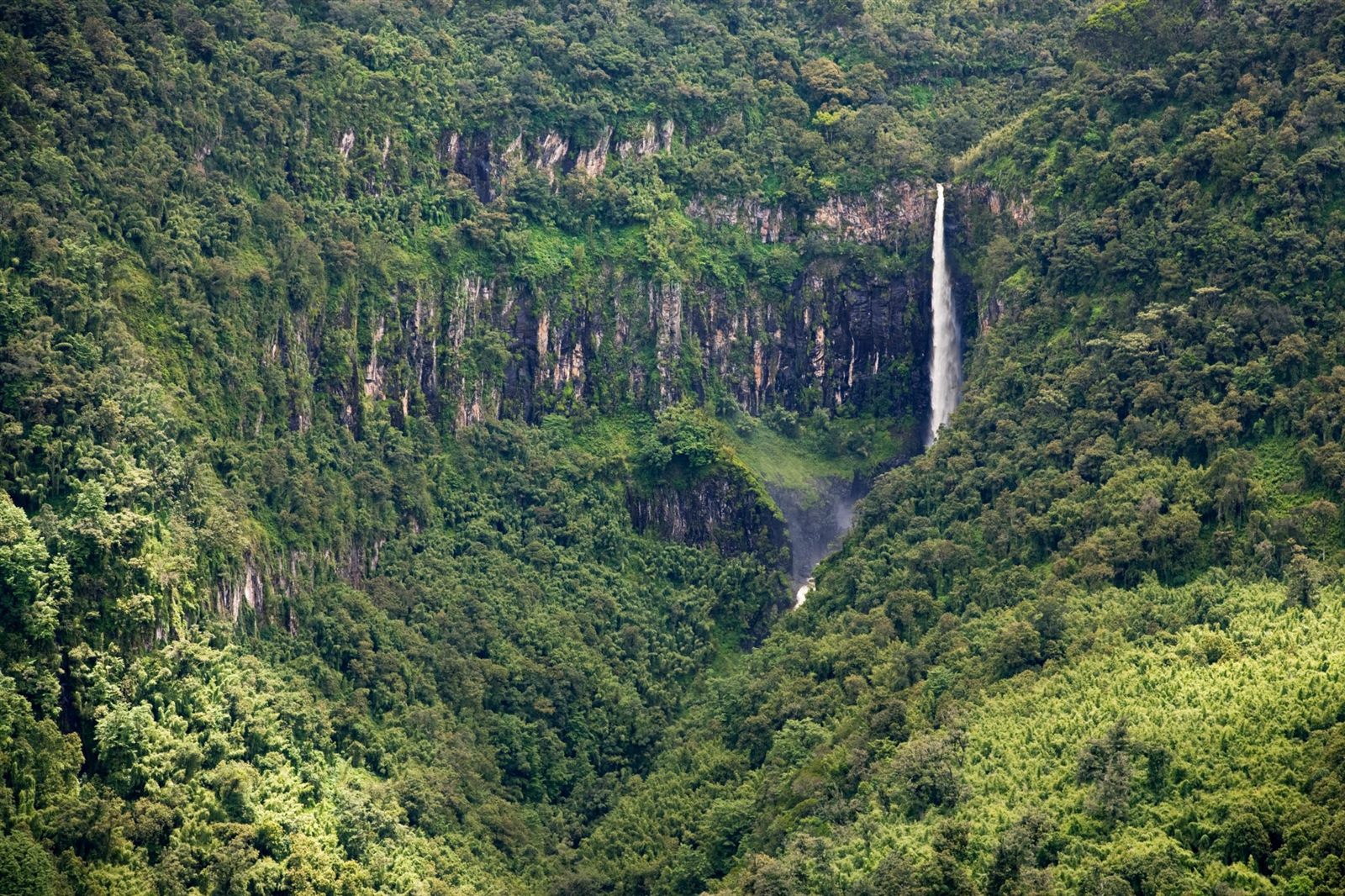
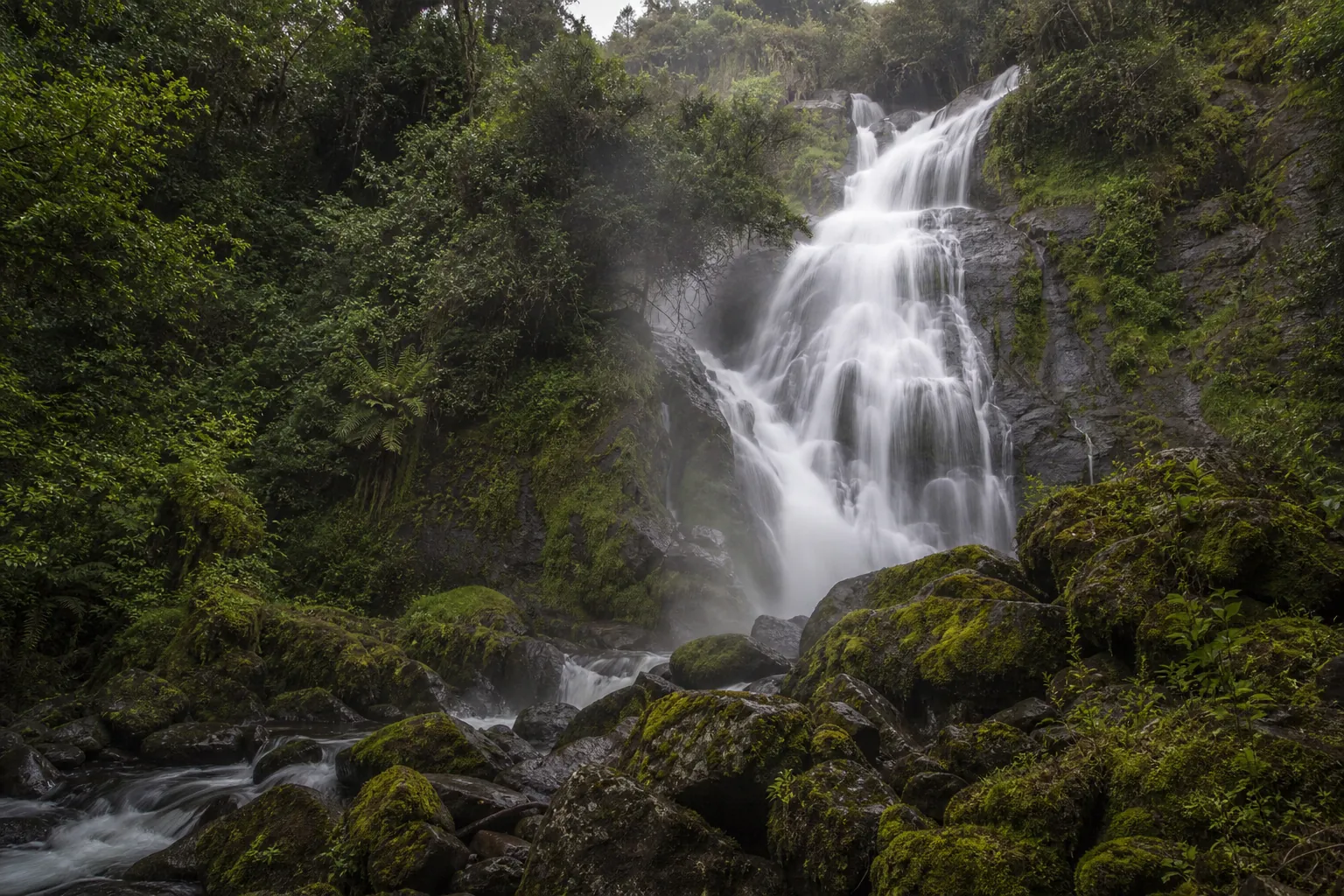
Kenya’s water towers supply cities, hydropower and irrigation. When mountain forests thin, rivers, groundwater recharge and farm water security decline.
Stories on this pillar →Biodiversity & Wildlife
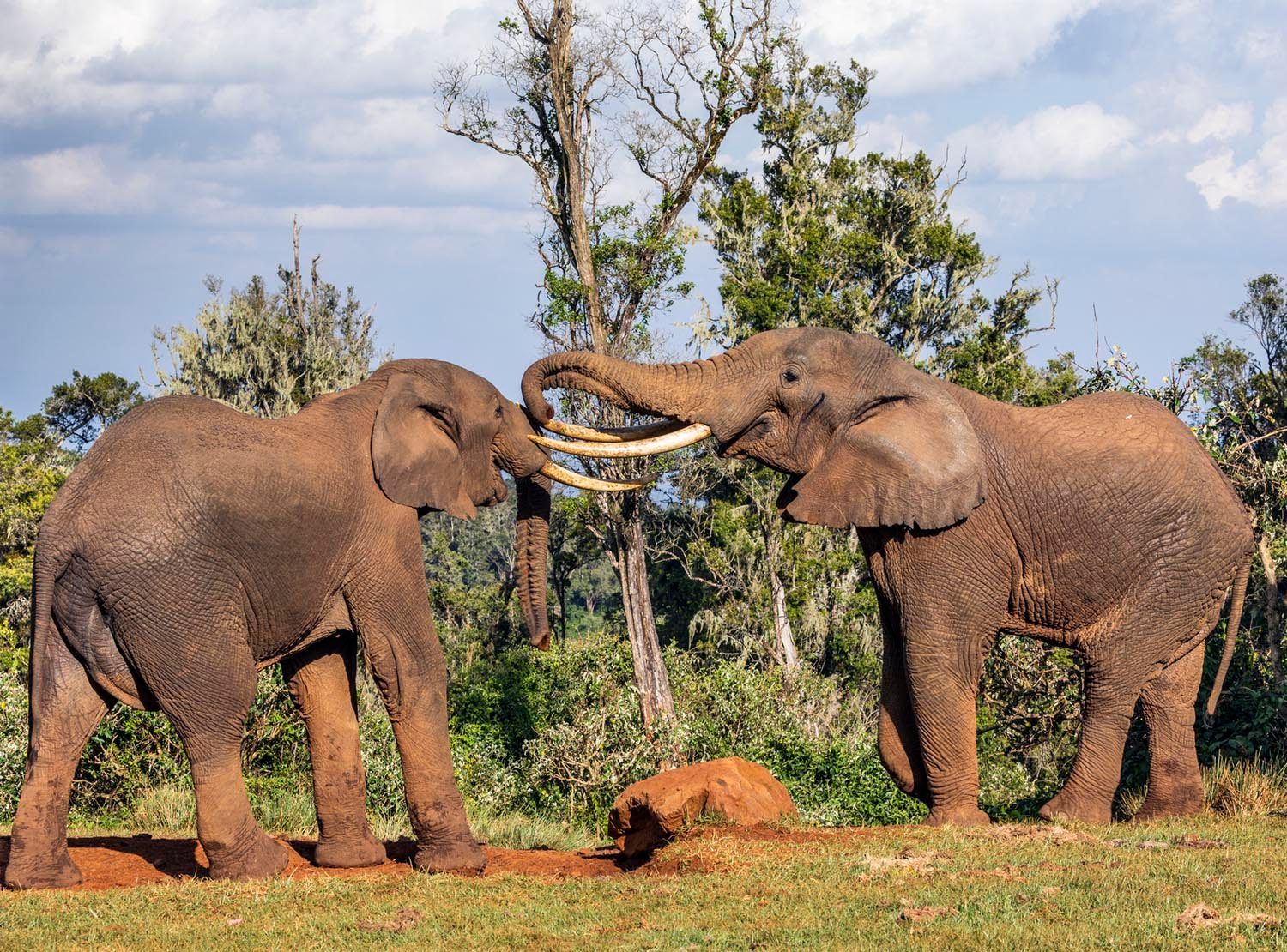
Endangered mountain species and elephant herds need connected habitat. Poaching, snares and farm conflict shrink safe space inside and beside forests.
Stories on this pillar →Climate Action & Resilience
Intact water-tower forests buffer drought and flood risk for millions downstream and store carbon in montane biomass and soils.
Stories on this pillar →Land & Soil Conservation
Steep farm edges beside forests lose soil when conflict and illegal entry push people into catchments. Clear boundaries and restoration protect soils and slopes.
Stories on this pillar →Communities & Sustainable Livelihoods
Forest-edge families need secure crops, schools and green livelihoods so conservation does not mean choosing between wildlife and dinner.
Stories on this pillar →
Issues in Focus
Rhino Ark active
Destruction of water towers
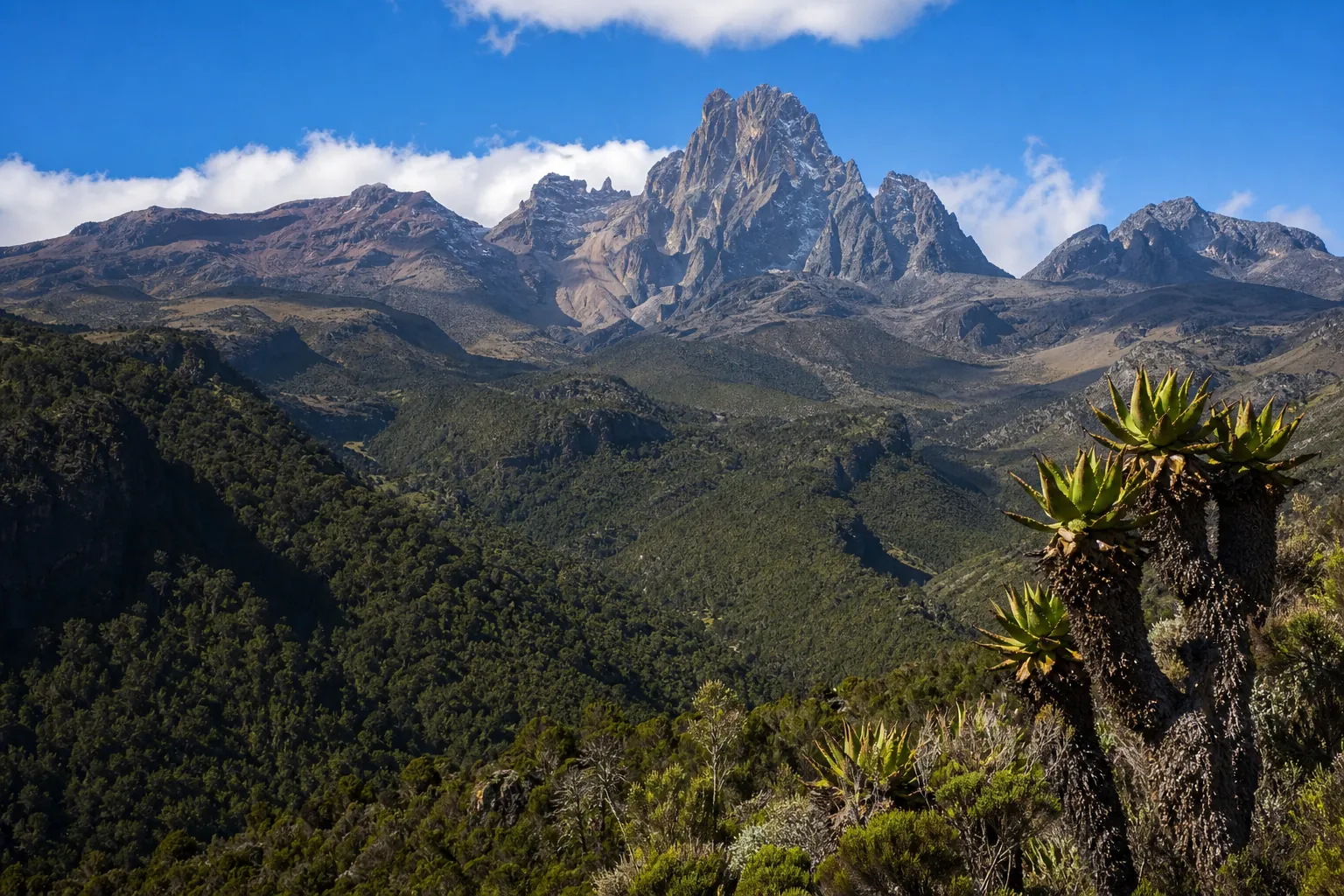
Mau, Aberdares, Mount Kenya, Cherangany and Mount Elgon (Rhino Ark programmes focus on Aberdares, Mount Kenya, South Western Mau and Eburu; Cherangany/Elgon as national context).
Kenya’s mountain forest water towers feed major rivers, hydropower and cities. When canopy is lost to logging, charcoal, fire and encroachment, water security and wildlife habitat fail together.
Open issue →Rhino Ark active
Human-wildlife conflict
Forest-farm edges of the Aberdares, Mount Kenya, Eburu and Mau; national hotspots also include Kajiado, Narok, Laikipia and Taita Taveta (context).
When farms meet elephant and other wildlife routes, crop raids and fear rise. Without clear boundaries, both people and forests lose.
Open issue →Rhino Ark active
Forest fires
Mountain forests, grasslands and protected areas across Kenya’s water towers - Aberdares, Mount Kenya, Mau and Eburu among them.
Dry seasons and illegal activity raise fire risk inside montane forests that are slow to recover and critical for catchments.
Open issue →Rhino Ark active
Land fragmentation and corridor loss
Wildlife dispersal areas between Aberdares and Mount Kenya (~12 km at nearest ridges) and other mountain forest edges.
Farms and roads cut historic elephant and wildlife routes. Without designed gaps, underpasses and corridors, fencing alone can trap animals.
Open issue →Kenya context
Invasive species (Kenya context)
National concern around Lake Victoria, Baringo and other basins; mountain forests monitor pest and alien plants locally.
Invasive plants and animals can outcompete native species and alter wetlands and forests. Rhino Ark’s published work emphasises habitat protection and restoration rather than lake-basin invasive programmes.
Open issue →Kenya context
Rising Rift Valley lake levels (Kenya context)
Rift Valley lakes - Naivasha basin adjacency to Eburu corridors.
Rising lake waters displace settlements and reshape shore habitats. Rhino Ark’s Eburu work keeps forest-corridor connectivity toward the Naivasha landscape; lake-level management is a wider national issue.
Open issue →